Florida homeowners know that hurricane season is simply part of the landscape. While most people focus on stocking up on emergency supplies and readying their homes and vehicles, it’s easy to forget another important investment: their swimming pools.
Strong winds, heavy rainfall, flying debris, and power outages can all impact a pool and its equipment. Fortunately, a little preparation can help prevent costly damage and make recovery much easier after a storm passes.
If you live in Clay County, here are some important steps to take during hurricane season pool prep.
Do Not Drain Your Pool
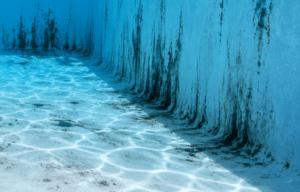
While it may seem logical to remove water in anticipation of heavy rainfall, an empty or partially drained pool can actually suffer significant structural damage. Groundwater levels often rise during major storms, creating upward pressure beneath the pool shell. Without the weight of the water to hold it in place, that shell can crack, shift, or even lift out of the ground.
You’re better off keeping pool water at its normal operating level, unless a qualified professional identifies a reason to do otherwise.
Balance Your Water Chemistry
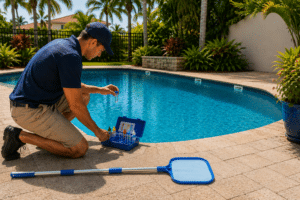
Proper levels of chlorine, pH, alkalinity, and sanitizer prevent bacterial and algal growth during periods when your filtration system may be offline. You may also choose to slightly increase the chlorine level before a storm to maintain water quality if your pool is exposed to additional contaminants.
The right water chemistry can also make cleanup much easier once conditions improve.
Secure or Remove Loose Items
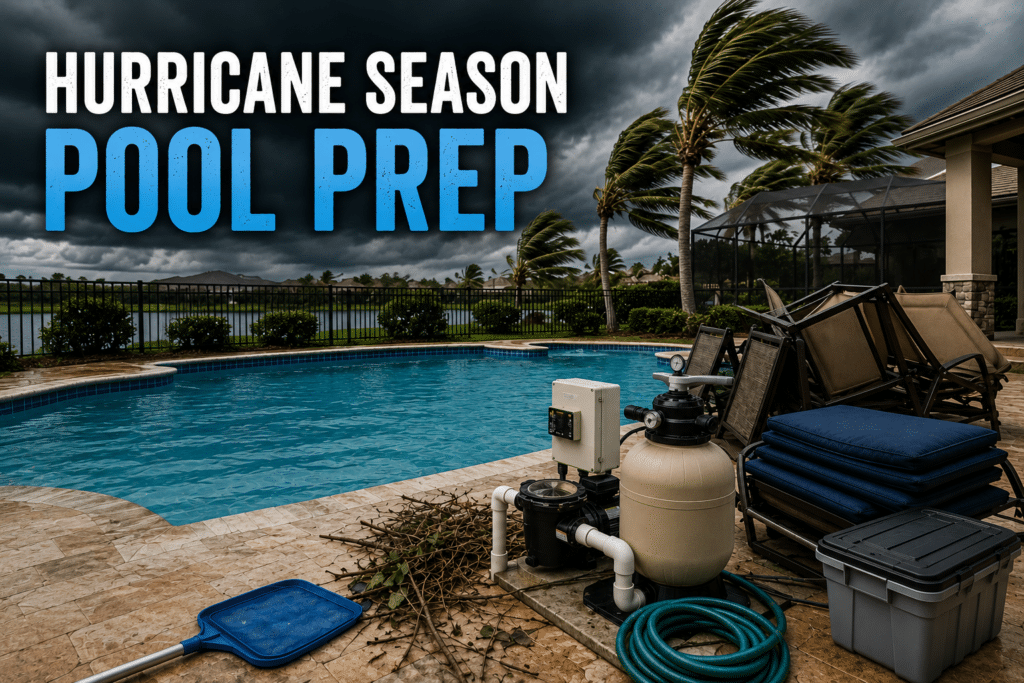
Patio furniture, pool toys, umbrellas, floats, and outdoor décor can quickly become dangerous projectiles in high winds.
Take time to store these items in a protected area like a garage or a shed. This is a simple way to prevent damage to your pool surface, screen enclosure, decking, and surrounding property.
Protect Your Pool Equipment
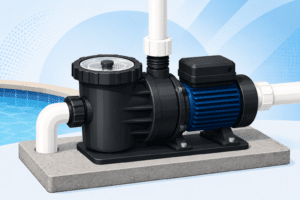
Your pool pump, filter, heater, automation controls, and other equipment can be costly to replace, which is why it’s a good idea to shut them off at the breaker panel before a storm arrives. This can protect sensitive electrical components from power surges and flooding-related issues.
After the storm passes, inspect equipment carefully before restarting your system.
Expect Debris and Contaminants
Even prepped pools can collect leaves, branches, dirt, pollen, and other organic debris during a tropical storm or hurricane. Heavy rainfall can also introduce phosphates and other contaminants that affect water clarity and chemical balance. Don’t be surprised if your pool appears cloudy after a storm.
Once conditions are safe, remove large debris as quickly as possible and allow your filtration system to run continuously until your water clears.
Prepare for Potential Power Outages
Power outages are common during hurricanes and tropical storms, which means your pool pump and filtration system may be offline for several hours or even days. Stagnant water can lead to cloudy conditions and algae growth.
Once your power has been restored, we recommend that you run your filtration system continuously and test your water chemistry as soon as possible to catch any issues early and prevent more extensive cleanup.
Schedule Professional Pool Service After a Hurricane
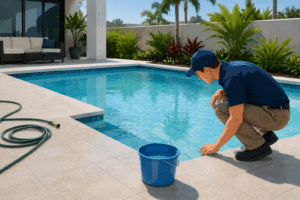
Storm-related cleanup may involve chemical rebalancing, filter cleaning, equipment inspections, algae management, and an evaluation of the pool’s circulation system. A professional inspection is highly recommended to address any issues before they become expensive repairs.
Protect Your Pool Before Hurricane Season Arrives
Hurricane season can be unpredictable, but preparing your pool doesn’t have to be.
Staying proactive can preserve water quality and reduce cleanup afterward—not to mention safeguard one of your biggest backyard investments.
We offer routine pool service, hurricane season pool prep, and post-storm cleanup throughout Clay County. Contact us today to learn more about how we can help protect and maintain your pool year-round.