
Florida summers are made for enjoying your swimming pool. But with soaring temperatures, afternoon thunderstorms, and plenty of sunshine, your pool works its hardest this time of year—all of which may leave you wondering how long you need to run your pool pump to keep up.
Generally speaking, for most pools in Clay County, running the pump between 8 and 12 hours per day during the summer will provide sufficient water circulation and filtration. However, please know that the ideal schedule for your pool will depend on its size, equipment, sunlight exposure, and usage.
Let’s take a closer look at why your pool pump is important and what factors can affect how long it should run.
Why Your Pool Pump Matters
A properly operating pool pump is one of the easiest ways to maintain healthy water quality.
The pump is the heart of your pool’s circulation system. It continuously pushes water through the filter, which removes dirt, pollen, insects, sunscreen residue, and other contaminants.
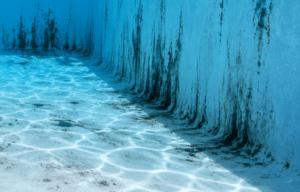
Running your pump also evenly distributes chlorine and other chemicals. Without proper circulation, some areas of your pool may not be properly sanitized, increasing the risk of cloudy water and algae growth.
How Long Should You Run Your Pool Pump?
While most Florida pools should run their pump 8 to 12 hours per day during the summer months, longer run times may be necessary for your pool if:
- It receives full sun most of the day.
- Your family swims in it frequently.
- It gets debris from heavy rain or severe storms.
- It develops persistent cloudy water or early signs of algae.
- It’s surrounded by trees or landscaping that regularly disperse leaves, pollen, or other organic material.
Note: Some pools with variable-speed pumps and efficient filtration systems can achieve excellent water circulation while using less energy by operating at lower speeds for longer periods.
If you’re unsure which schedule is best for your pool, a professional can evaluate your equipment to determine it.
Florida’s Summer Weather Creates Extra Challenges
Frequent afternoon thunderstorms, high humidity, pollen, insects, leaves, and blowing debris can all place additional demands on your filtration system. Heavy rainfall can also dilute pool chemicals and introduce phosphates, dirt, and other contaminants.
During periods of extreme heat or following severe weather, running your pool pump longer may restore proper circulation, improve filtration, and maintain balanced pool chemistry.
Signs Your Pump May Not Be Running Long Enough
If your pool isn’t circulating water effectively, it will often let you know.
Signs to watch for include:
- Cloudy pool water
- Debris collecting in corners
- Algae beginning to develop
- Uneven chemical readings
- Weak water flow from return jets
- Dirty or clogged skimmer baskets
These symptoms don’t always mean your pump needs to be replaced. Sometimes the solution is simply adjusting the run time or addressing a maintenance issue before it becomes a larger repair. When in doubt, always ask a pool service professional.
Don’t Forget Routine Maintenance
Even the most diligent pump schedule can see poor results if your equipment isn’t properly maintained.
Clearing skimmer baskets, emptying pump baskets, inspecting return jets, and regularly cleaning your pool filter can all improve water circulation. Routine inspections can also identify worn seals, leaks, or declining pump performance before they become expensive repairs.
Pool pump problems often start with simple issues that can be avoided with regular maintenance.
Professional Pool Service Takes Out the Guesswork
Because every pool is different, professional maintenance can determine the right pump schedule. At Elite Pool Service, our technicians will monitor your equipment, water chemistry, circulation, and filtration during every visit, making adjustments whenever weather conditions or water quality require extra attention.
Questions We Get Most About Pool Pumps
Can I run my pool pump too long?
Yes. Running your pool pump longer than necessary will bump up your electrical bill without any added benefit. A properly sized pump that runs the recommended number of hours is usually more efficient than operating it continuously.
Should I run my pool pump during the day or at night?
Many homeowners choose to run their pump during daylight hours when swimmers, sunshine, and debris have the greatest effect on water circulation. However, the ideal schedule depends on your equipment, your pool’s environment, and your utility rates.
Keep Your Pool Running Smoothly This Summer
Your pool pump plays an important role in protecting your water quality. If you keep it running the right amount of time based on your pool’s specific architecture, it will maintain proper circulation, chemical balance, and overall appearance.
If you have questions about your pump or other pool-related maintenance, give us a call! We’ll verify the ideal pump schedule and explain which of our services will keep your water crystal clear.