
Heavy rain can affect pool chemicals by adding fresh water, diluting sanitizer levels, changing pH and alkalinity, and introducing dirt, organic debris, and other contaminants. After significant rainfall, testing and rebalancing your pool water can help prevent cloudy water, algae growth, and other maintenance problems.
This is especially important for pool owners here in Clay County who have to contend with afternoon thunderstorms. A brief shower may not dramatically affect your pool, but substantial rainfall can.
Here’s what you need to know.
How Does Heavy Rain Affect Chlorine Levels and pH?
Chlorine levels drop when enough rain dilutes your water and organic debris (leaves, pollen, and dirt) makes your sanitizer work harder. This doesn’t mean you should automatically add chlorine every time it rains. Test the water first. Your pool’s existing chlorine level plus the amount of rainfall and organic contaminants will determine whether adjustments are necessary.
Rainfall and the contaminants that accompany a storm can also affect your pool’s pH. Maintaining the right level is important because it affects swimmer comfort, pool surfaces and equipment, and the effectiveness of your sanitizer.
What Happens to Pool Alkalinity After Heavy Rain?
Total alkalinity helps your pool resist sudden pH changes, but it can also be affected by significant rainfall and dilution. Because pH and alkalinity are closely related, they should be evaluated together when rebalancing your water.
Even if your water appears clear and normal, its chemistry may need attention.
Can Heavy Rain Add Phosphates and Other Contaminants?
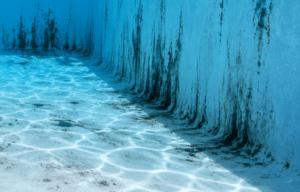
Leaves, pollen, dirt, soil, and runoff can all introduce phosphates into pool water. Their presence doesn’t immediately make your pool unhealthy, but they can provide a nutrient source for algae and make its growth difficult to control when sanitizer levels drop.
Keeping debris out of a pool and maintaining appropriate sanitizer levels, filtration, and circulation can help reduce the impact of contaminants after a storm.
Note: If you just had heavy rainfall and your pool water looks a little dull, storm-related contaminants or changes in water chemistry may be responsible. Phosphates may also support algae growth when conditions allow it to develop. Because multiple factors can cause cloudy pool water, testing is the best way to determine what’s really going on.
Should You Add Pool Chemicals After It Rains?
Test your water after a storm before deciding whether to add pool chemicals. Doing so without knowing their current levels can create new imbalances instead of correcting the existing ones.
After a downpour, we recommend:
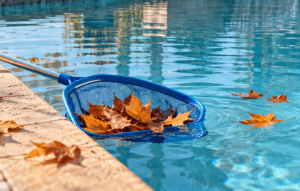
- Removing leaves and large debris from the pool
- Checking the water level
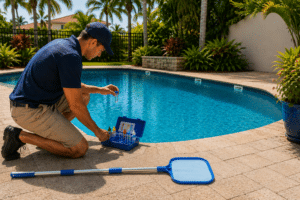
- Testing chlorine, pH, and alkalinity
- Adjusting chemicals according to the test results
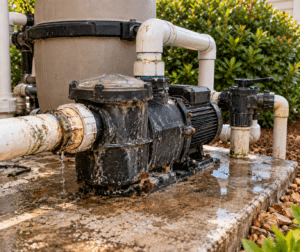
- Making sure your pump and filtration system are both operating properly
- Continuing to monitor your water clarity
Should You Run Your Pool Pump After Heavy Rain?
Proper circulation and filtration can help your pool recover after a storm, especially when there is significant debris. Your pump moves water through the filter while distributing chlorine and other chemicals throughout the pool. If water is cloudy or contains additional contaminants, your filtration system may need more time to address them.
The appropriate pump schedule will depend on your equipment, water condition, and how severely the storm has affected your pool.
What If the Pool Water Level Is Too High?
Heavy rainfall can sometimes raise the water level enough to interfere with normal skimming or circulation. If you need to remove water, use the appropriate method for your pool and equipment. Avoid draining large amounts of water simply because a storm is approaching or has recently passed.
If you’re unsure how to lower the water level safely, a pool professional can advise you.
When Should You Have Your Pool Professionally Checked?
The good news is that pools don’t usually need immediate attention after every storm. Keep an eye on your water to see whether it remains cloudy after normal filtration, algae begins developing, or water tests show your chlorine or pH repeatedly falling outside the appropriate range.
Professional pool technicians can also perform water tests, address substantial runoff and debris, and offer customized solutions as needed.
Keep Your Pool Balanced Through Florida’s Rainy Season
Heavy rain is part of life in Northeast Florida, but water-quality problems don’t have to be. Testing your water after significant rainfall, removing debris, maintaining proper circulation and filtration, and making chemical adjustments based on actual readings can help keep your pool clean and ready to enjoy.
If you’d like a pool service professional to manage these services, we’d be happy to help!